


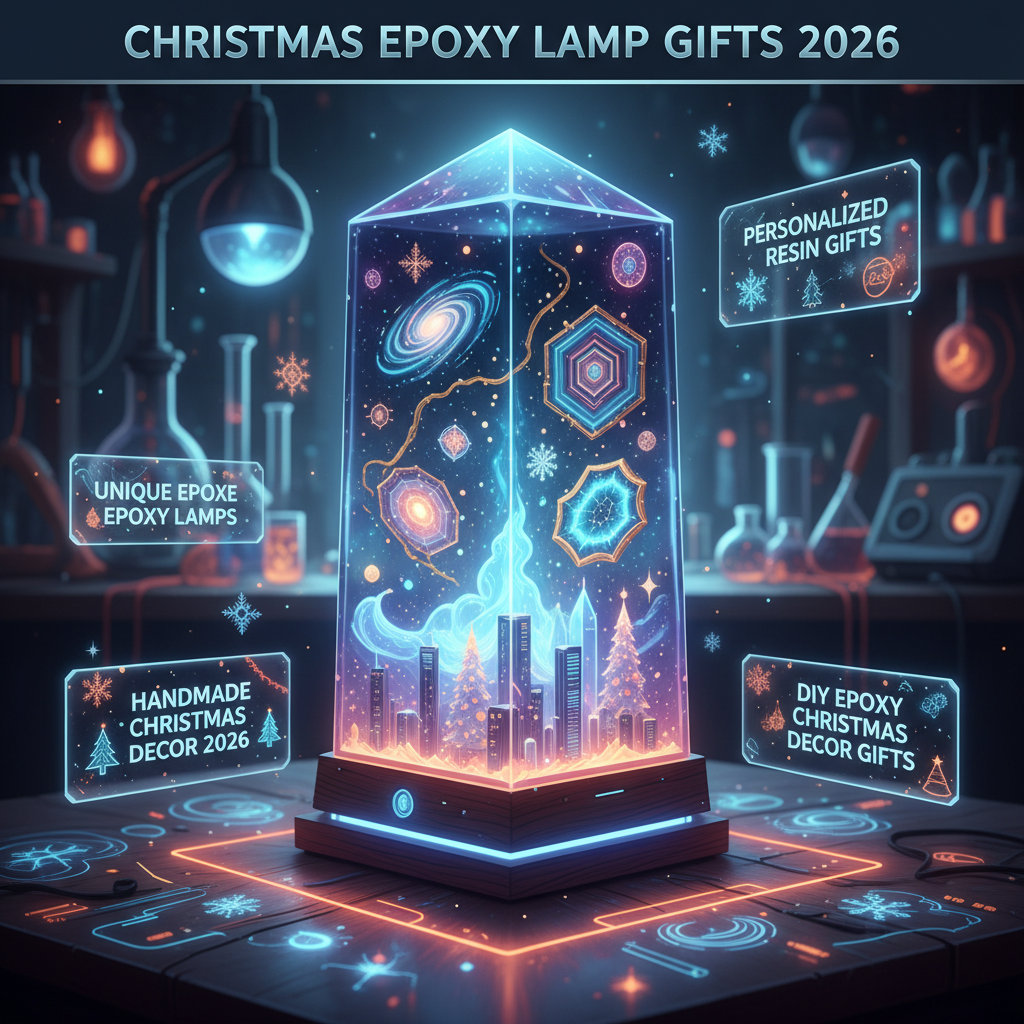
What are Epoxy Lamps?
Epoxy lamps are handmade art pieces that combine transparent epoxy resin with embedded elements and LED lighting to create captivating illumination. They are described as
“miniature worlds encapsulated in radiant resin.”
Materials & Construction:
- Epoxy Resin: Specialized casting epoxy resin is used for its crystal-clear finish, ability to encapsulate objects in deep layers, low viscosity for deep pours, efficient bubble release, and pristine optical clarity. UV protectants are often included to resist yellowing.
- Embedded Elements: These can include:
- Natural Wonders: Wood (e.g., walnut, oak, acacia, beech, mahogany, ash), dried flowers, moss, stones, shells.
- Decorative Materials: Mica powder paints, other pigments.
- Artistic Elements: Intricate miniature figures or dioramas.
- LED Components: Tiny diodes, heat-resistant, waterproof LED strip lights, and fairy lights are integrated to create a soft, ambient light while managing heat to prevent resin damage.
The Magic of Light:
The interplay of light and encapsulated art makes these lamps special. Strategically placed LEDs transform resin into a luminous canvas, creating functional and decorative effects. Their soft, ambient glow makes them suitable as night lights and enhances the aesthetic of various interior spaces.
Evolution of Resin Art:
Epoxy resin’s journey from industrial applications to a celebrated artistic medium paved the way for modern epoxy lamps.
Genesis of Resin:
- Core chemistry discovered independently by Dr. Pierre Castan and Dr. Sylvan Greenlee in the 1930s and 40s for industrial use (construction, aerospace).
- Artists recognized its potential by the 1960s and 70s, using it to mimic glass with greater flexibility and lighter weight.
- Artistic applications diversified to include jewelry, “river tables,” and wall art.
- Accessibility, educational resources, and online communities have led to an “exponential rise in interest and innovation” in crafting, significantly propelled by social media.
Rise of the Epoxy Resin Night Light:
- This specific trend gained significant traction around 2018.
- Social media and increased accessibility have fueled an “exponential rise in interest.”
- These lamps are celebrated for unique artistic designs, blending functionality with aesthetic appeal, often incorporating natural elements and LEDs.
- Wood and resin combinations have evolved from a viral fad to a recognized design category.
Crafting a Custom Epoxy Night Light: The Artisan’s Journey
The creation of an epoxy lamp involves a meticulous, handcrafted process.
Artisan’s Workshop:
- Environment: A pristine, well-ventilated, and temperature-consistent workspace is essential to prevent curing issues.
- Molds: Frequently made from acrylic sheets or silicone, with all seams meticulously sealed to prevent resin leakage.
Layer by Layer Creation Process:
- Preparation of Elements: Wood pieces are cut, shaped, sanded, and sealed. Other decorative inclusions are gathered.
- Resin Mixing: Epoxy resin is mixed with a hardener in accurate ratios, often incorporating pigments.
- Pouring: The resin mixture is poured slowly into the mold, often in thin layers, to minimize air bubbles.
- Inclusion Placement: Decorative elements, including LED lights, are strategically positioned within these layers.
- Bubble Removal: Heat guns or torches are used to remove surface bubbles for a crystal-clear finish. This is where “epoxy casting Christmas lights” come alive.
Finishing Touches:
- Curing: The resin fully cures over several days, depending on the resin type and environment.
- Demolding: The lamp is carefully removed from the mold.
- Sanding: Progresses through finer grits (60 to 2000 grit) to achieve a smooth surface.
- Polishing: The lamp is polished to a high shine, sometimes with an additional topcoat of epoxy.
- Assembly: LED components and wiring are assembled, often concealed within a wooden base or the resin body, transforming the art into a functional, glowing masterpiece.
Current Trends: Why Epoxy Resin Christmas Gifts 2026 Are Popular
The popularity is driven by aesthetic versatility and personalization.
Popular Styles & Themes:
- Ocean-themed: Miniature marine life, sand, shells.
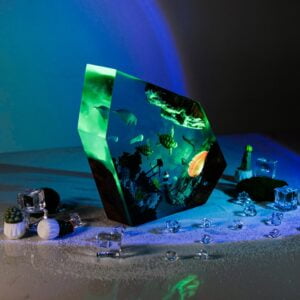
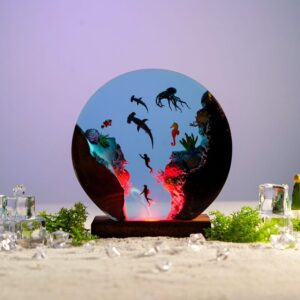
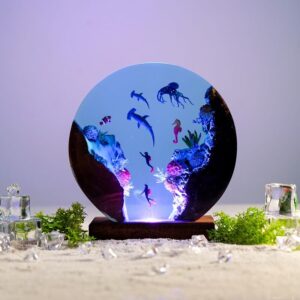
- Galaxy-themed: Cosmic colors and stardust.
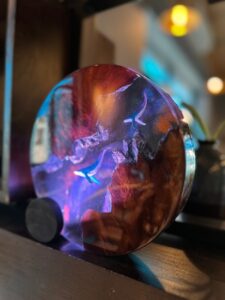
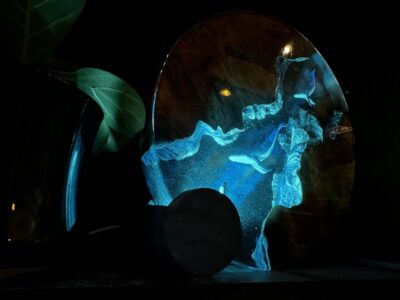
- Geode-themed: Metallic veins and crystalline textures.
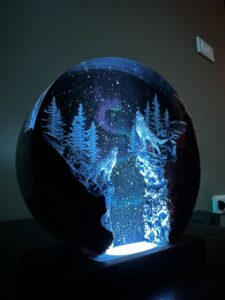
- Wood and Resin: Blending natural warmth with translucent beauty.
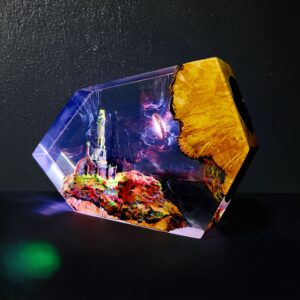
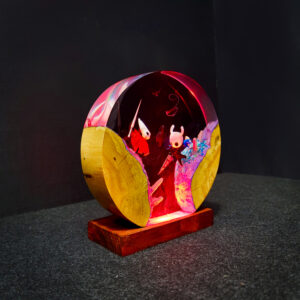
- Festive Resin: Embedded with snowflakes, tiny Christmas trees, ornaments, or sparkling elements for the holidays.
- Jungle-inspired: Featuring natural foliage.
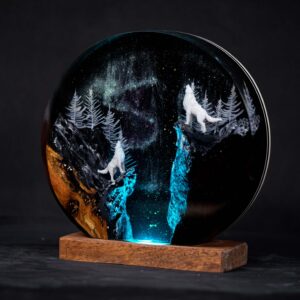
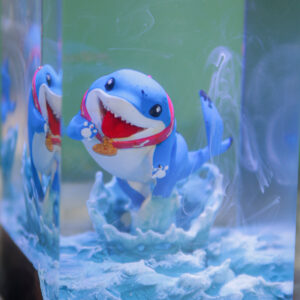
- Animal figures: Intricate designs.
Appeal of Customization:
- Bespoke Items: Ability to embed cherished mementos (dried flowers, photographs).
- Color Matching: Choosing specific colors to match decor.
- Sentimental Scenes: Crafting miniature scenes with sentimental value.
- These lamps are described as “handmade Christmas decor that tells a story.”
Reasons for Hotness as Christmas Gifts 2026:
- Durability: Lasting treasures resistant to water and environmental factors.
- Longevity: Cherished for years, reducing replacement needs.
- Social Media Influence: Visual appeal on platforms like Instagram and TikTok drives attention.
Controversies & Safety:
Discussions around health and environmental responsibility are important for buyers and crafters.
Safety Risks:
- Toxicity of Uncured Resin:
- Releases volatile organic compounds (VOCs) like formaldehyde, toluene, and benzene.
- Risks include headaches, dizziness, nausea, respiratory irritation, skin and eye irritation.
- Prolonged exposure can lead to chronic respiratory problems, severe skin allergies (contact dermatitis), and asthma.
- Bisphenol A (BPA) is linked to hormonal disruption.
- Precautions: Proper ventilation, rigorous personal protective equipment (PPE) including gloves and respirators, and avoidance of skin contact are critical.
- Finished Products: Generally considered non-toxic unless mechanically altered.
Environmental Footprint:
- Petroleum-Based Resins: Derived from non-renewable fossil fuels, energy-intensive production, contributes to greenhouse gas emissions.
- Non-Biodegradable: Persist in the environment for centuries, contributing to plastic pollution.
- Recycling Difficulty: Thermosetting nature makes traditional cured epoxy resin difficult to recycle.
- Most epoxy products contribute to waste streams.
Future of Epoxy Lamps & Sustainable Gifting:
Advancements aim for more sustainable and innovative products.
Green Innovations:
- Bio-based Epoxy Resins: Developed using renewable resources (vegetable oils, lignin, rosin, sugars, agricultural byproducts).
- Reduce reliance on fossil fuels, lower carbon footprints.
- Some designed for enhanced biodegradability.
- Low-VOC and VOC-free Resins: Improve air quality during application and reduce health risks.
Beyond the Glow: Smart Tech & Enhanced Durability:
- Enhanced Durability: Increased resistance to extreme conditions and chemicals.
- Self-healing Epoxy Resins: Automatically repair minor cracks and damage, extending product lifespan.
- Smart Resins: Potential to integrate sensors for monitoring structural health and environmental conditions.
- Advanced Curing: Refinements in UV-activated and heat-assisted curing for faster production.
- 3D Printing Resins: Specially designed resins for complex, high-resolution parts.
Regulatory Compass:
- Stricter Regulations: Especially in Europe concerning hazardous chemicals.
- REACH Regulation: Mandates specialized training for users of products containing diisocyanates.
- EU Regulations (effective July 2026): Ban on Bisphenol A (BPA) in varnishes, coatings, and adhesives for food contact materials; evaluation of other bisphenol substances.
- Hazardous Air Pollutant Reduction: Efforts to reduce emissions from epoxy resin production (e.g., epichlorohydrin).
Conclusion
Christmas epoxy lamp gifts for 2026 offer a blend of personalized artistry, ambient light, and enduring charm. They are described as conversation starters, mood setters, and miniature narratives reflecting thoughtfulness and creativity. Innovations in sustainability and design are ensuring safer and more eco-conscious production methods. These “personalized resin gifts” are poised to be cherished for years to come, representing a gift of light, art, and innovation.